Investing in solar energy can be a valuable long-term upgrade for a California home. However, with intense UV exposure, coastal salt air, dusty winds, and high temperatures in some areas, many homeowners wonder how long solar panels last on a roof. Most modern solar panels are designed to provide reliable energy production for 25 to 30 years or longer when properly installed and maintained. Here’s what you need to know about residential solar panel lifespan and how to support long-term system performance.
The Real Lifespan of Modern Solar Panels
Whether installed on a roof or mounted on the ground, residential solar panels can often provide 25 to 35 years of useful service. This timeframe is commonly considered the “useful life” of a solar panel, but reaching the end of that period doesn’t mean the panels suddenly stop working. Instead, solar panels gradually produce less electricity as they age. Many systems can continue generating power beyond their expected lifespan, although at a reduced output.
What Degradation Rate Means for Your Output Over Time
Solar panel degradation rate refers to the percentage by which a panel’s power output naturally declines over time. Many modern panels experience a relatively small decline in output each year, although the exact rate varies by manufacturer, panel technology, climate, and operating conditions. Understanding the expected degradation rate can help you estimate how your system may perform in the years ahead and plan for future upgrades or replacement when production no longer meets your household’s needs.
How Long Panels Last on a Roof vs. a Ground Mount
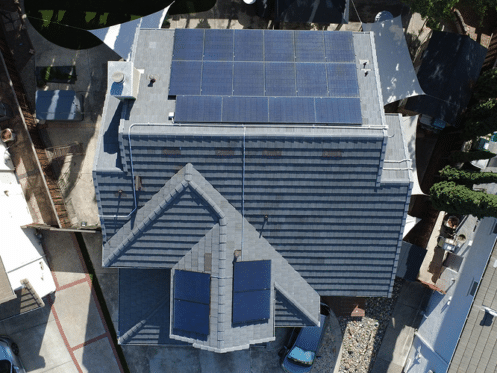
How long solar panels last on a house versus on a ground mount is relatively similar. Roof-mounted and ground-mounted solar panels can have similar lifespans when professionally installed and properly maintained. Roof-mounted systems are often a practical choice when available yard space is limited, while some homeowners choose ground-mounted systems when their roofs are shaded, have limited usable space, or aren’t well suited for solar. One important consideration with a roof-mounted system is the age and condition of the roof itself. If the roof needs replacement before the solar panels reach the end of their useful life, the panels may need to be temporarily removed and reinstalled. At Infinium Solar, Roofing, and Electric, our experience with both roofing and solar allows us to evaluate these systems together and coordinate installation when appropriate.
How Long Solar Batteries Last (and When to Replace)
Several types of solar batteries are available to store energy for later use. Battery lifespan varies depending on the chemistry, manufacturer, usage patterns, operating environment, and number of charge cycles. Many residential batteries are designed to provide approximately 10 to 15 years of service. Signs such as noticeably reduced storage capacity, shorter backup runtime, charging problems, or physical damage may indicate that the battery needs professional evaluation or replacement.
What Shortens Panel Life: Heat, Debris, and Poor Installation
Environmental conditions and installation quality can influence your reisdential solar panel’s lifespan and performance. In hot inland areas, repeated temperature changes can place stress on system components over time. Wind-blown debris during storms may also damage panels or other parts of the solar array. In areas affected by wildfire smoke and ash, residue can accumulate on panel surfaces and reduce energy production until the panels are properly cleaned.
Installation quality also plays an important role in long-term system performance. Professional installation helps reduce the risk of problems related to wiring, mounting, grounding, ventilation, and cable management. Proper installation according to manufacturer specifications and applicable electrical and building codes helps protect the system from unnecessary wear and supports safe, reliable operation.
What a 25-Year Warranty Actually Guarantees
Solar panel warranties vary by manufacturer and product, but many include separate product and performance warranties. A product warranty generally covers qualifying defects in materials or workmanship for a specified period. Coverage, exclusions, and warranty terms vary, so homeowners should review the manufacturer’s documentation carefully to understand what is and isn’t covered.
A performance warranty typically guarantees that a panel will maintain at least a specified percentage of its original rated output after a certain number of years. The exact percentage and degradation schedule vary by manufacturer and model. When you’re choosing solar panels, we can help you compare warranty terms and understand how they relate to expected long-term performance.
How Infinium Maximizes System Lifespan With Quality Installs
Infinium Solar, Roofing, and Electric helps support the long-term performance of your solar panels through careful system design and professional installation. This includes following manufacturer requirements for mounting, spacing, ventilation, wiring, and other critical components. Our installation process begins with an evaluation of your roof, electrical system, and surrounding environment. We also discuss your energy goals, budget, and any specific requirements that may influence the system design. This process helps us create a layout designed for safe operation, reliable performance, and long-term energy production.
From there, we’ll begin the panel installation. Our licensed and insured solar professionals use quality materials and equipment selected for durability, compatibility, and reliable performance. We install each system with careful attention to manufacturer specifications, applicable codes, and the specific requirements of your property.
Schedule Solar Panel Services Today
Infinium Solar, Roofing, and Electric provides solar panel services for homes and businesses throughout the Bay Area and Santa Cruz County. Whether you’re planning a new installation, considering a system upgrade, or looking for long-term maintenance to help protect your investment, our team can evaluate your needs and recommend an appropriate solution. We also offer flexible financing options on approved credit.
Contact Infinium Solar, Roofing, and Electric for professional solar panel installation and maintenance in San Jose, Los Altos, and surrounding California communities.
Frequently Asked Questions
A residential solar system with battery storage can be a significant investment, so it’s natural to have questions about longevity and performance. Here are answers to some common questions California homeowners ask about solar panel lifespan.