Plug-in solar is getting attention, but is it enough for your home?
California is always looking for new ways to make clean energy more accessible. One of the latest ideas is plug-in solar, sometimes called portable solar or balcony solar.
California Senate Bill 868, also known as the Plug and Play Solar Act, focuses on portable solar generation devices. The bill characterizes these systems as compact photovoltaic units that plug into a building via a receptacle, reduce onsite electricity consumption, comply with electrical code requirements, and deliver a combined maximum AC output of no more than 1,200 watts per residence.
That seems straightforward, and for certain individuals—particularly renters or homeowners who don’t have a suitable roof—plug-in solar may be a practical way to reduce a modest share of their electricity consumption.
A conventional rooftop solar setup remains the more robust, more intelligent, and more comprehensive solution over the long run.
What is plug-in solar?
Plug-in solar systems are smaller solar setups designed to connect to a home’s electrical system through an outlet or receptacle. Under SB 868, qualifying devices would be exempt from certain interconnection requirements and utility approval processes, as long as they meet the bill’s safety and technical requirements.
In simple terms, plug-in solar is meant to be a low-barrier option. It is smaller, portable, and designed to offset some electricity use inside the home.
That can be useful for small-scale energy savings.
However, it isn’t intended to serve as a substitute for a correctly sized home rooftop solar system.
The biggest difference is system size
The most important difference between plug-in solar and rooftop solar is power output.
Under SB 868, a qualifying portable solar generation device is limited to no more than 1,200 watts of AC output per dwelling.
A traditional residential rooftop solar system is usually much larger. The U.S. Department of Energy’s 2024 residential solar cost benchmark uses an 8 kW residential PV system as its representative example. That means a standard rooftop system can be several times larger than the maximum size of a plug-in solar device.
That size difference matters.
A small plug-in setup may help offset a few appliances or a limited amount of daytime usage. A rooftop solar system can be designed around the homeowner’s actual electricity bill, roof space, household usage, future EV charging, battery backup goals, and long-term energy needs.
For homeowners looking to make a meaningful dent in their utility bill, size matters.
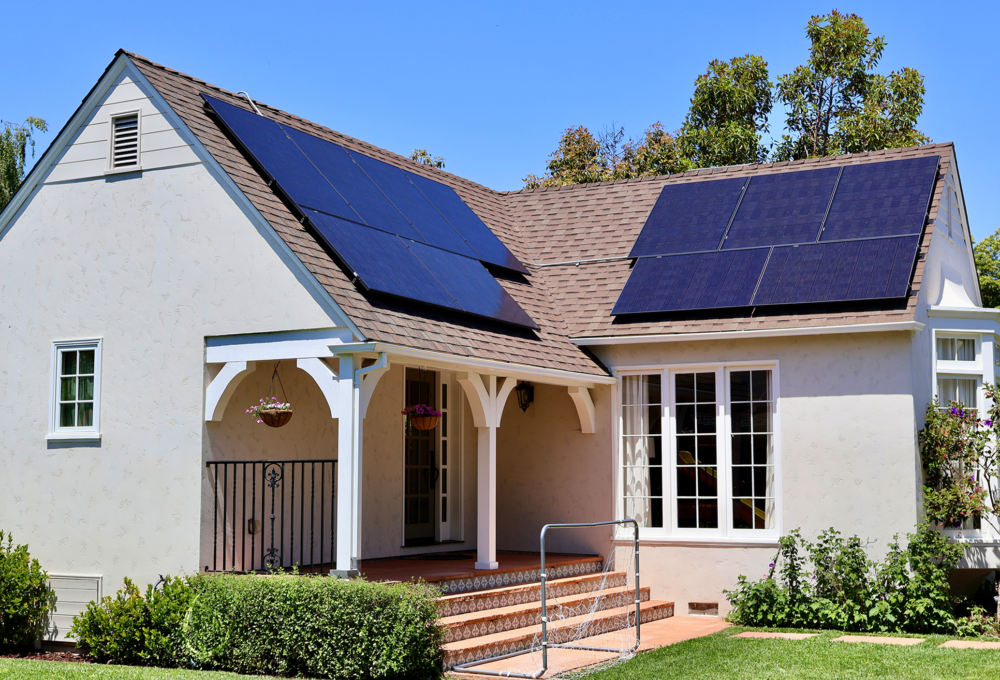
Rooftop solar is built to power the entire home.
A traditional solar system is not just a few panels on a roof. It is a custom-designed energy system.
A professional rooftop solar project considers:
- Your last 12 months of energy usage
- Roof direction, pitch, and shading
- Panel placement and production estimates
- Main panel capacity
- Utility requirements
- Permitting and inspection
- Battery backup options
- EV charger needs
- Long-term serviceability
- Roof condition before installation
That full design process is what makes rooftop solar a better fit for homeowners. The goal is not just to generate a little bit of power. The goal is to build a system that works with your home, your utility usage, your roof, and your long-term energy plans.
Plug-in solar may be convenient, but it is not a substitute for a fully engineered residential solar installation.
Rooftop solar adds long-term home value
For many homeowners, solar is not just about saving a little money this month. It is about improving the home for the long run.
A professionally installed rooftop solar system can become part of the home’s energy infrastructure. It can be paired with battery storage, support future electrical upgrades, and help prepare the home for more electric appliances, EV charging, or backup power needs.
Plug-in solar is more temporary by nature. It may be movable and easier to install, but that also means it does not offer the same level of integration, customization, or long-term home improvement value as a roof-mounted system.
If you own the home, your roof is one of your best energy assets. A properly installed rooftop solar system makes better use of that space.
Professional installation matters
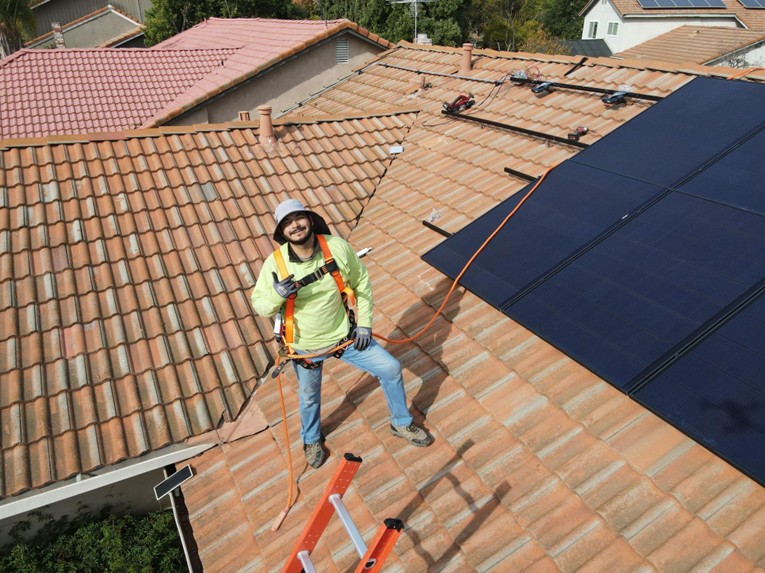
Solar is electrical work. Roofing also matters. That is why professional installation is so important.
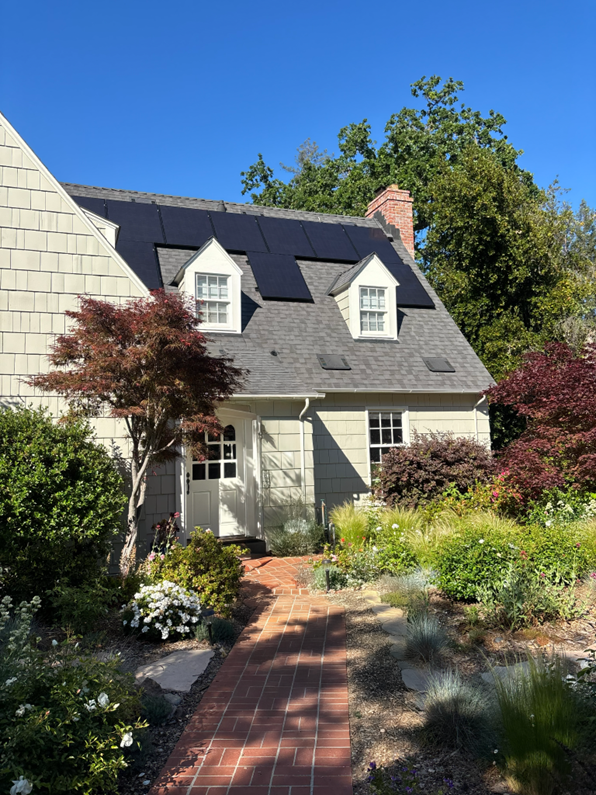
A rooftop solar project should be installed with proper racking, waterproofing, electrical design, permits, inspections, and utility coordination. When done correctly, the system is built to perform safely and reliably for decades.
At Infinium Solar, Roofing, and Electric, our team looks at the full picture: the solar system, the roof, the electrical panel, the battery options, and the long-term service needs of the home.
That matters because every home is different. A system that works well for one property may not be right for another.
Plug-in solar may offer simplicity, but simplicity can also mean limitations.
Battery backup is another major advantage
For many Bay Area homeowners, solar is no longer just about daytime energy production. Battery backup has become a major part of the conversation.
A rooftop solar system can be paired with a home battery to store solar energy and provide backup power during outages, depending on the system design. This is especially important for homeowners concerned about rising utility costs, grid reliability, wildfire season, or Public Safety Power Shutoffs.
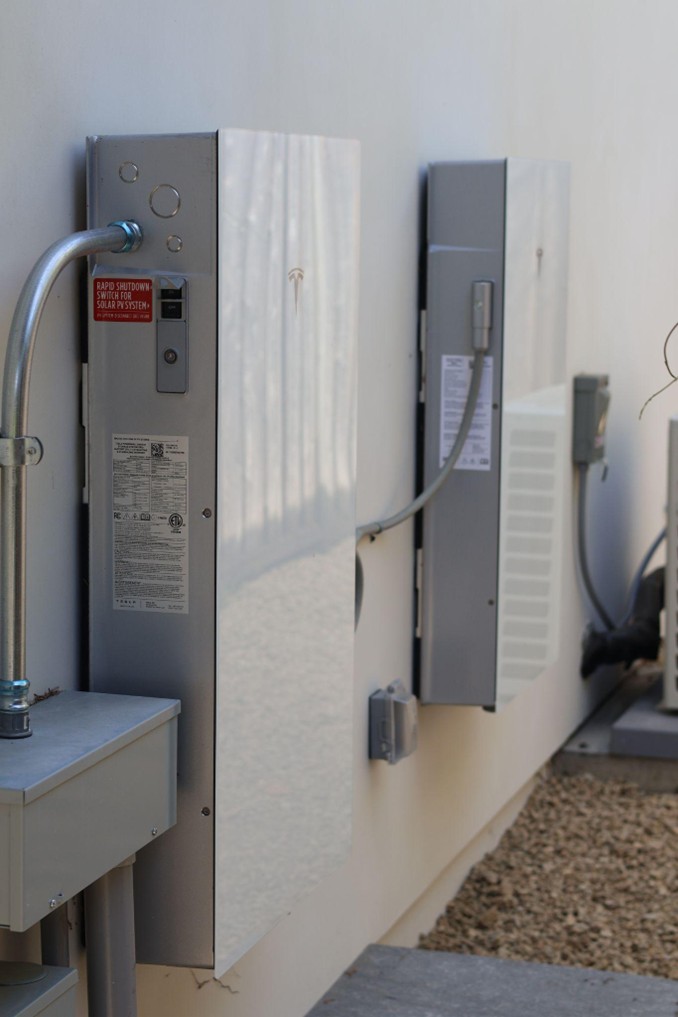
Plug-in solar may include small battery options, but it is not the same as a professionally designed solar and battery backup system.
If your goal is whole-home energy planning, rooftop solar with battery storage is the more complete solution.
Plug-in solar has a place, but homeowners should think bigger
Plug-in solar can be a good option for renters, apartment dwellers, condo owners, or homeowners who do not have a usable roof. It may help make solar more accessible to people who have been left out of the traditional solar market.
That is a good thing.
But for homeowners with a suitable roof, plug-in solar should be viewed as a small energy accessory, not a replacement for rooftop solar.
A roof-mounted solar system is larger, more powerful, professionally designed, better integrated, and built around long-term performance.
The bottom line
Plug-in solar may help more Californians access clean energy, but traditional rooftop solar is still the better choice for most residential homeowners.
If you own your home and have a roof that can support solar, a professionally installed rooftop system gives you more production, better long-term savings potential, stronger system integration, and the ability to pair solar with battery backup.
Small solar can help.
A full rooftop solar system can do much more.
Thinking about solar for your home?
Infinium Solar, Roofing, and Electric has supported Bay Area homeowners with solar, roofing, battery backup, and electrical services and solutions since 2008.
Whether you’re exploring solar power for the first time, scheduling a roof replacement, installing battery storage for backup, or getting your home ready for future electrical demands, our team can guide you to the best solution.
Book a consultation with Infinium Solar, Roofing, and Electric today and discover what a professionally engineered rooftop solar system can deliver for your home.
Frequently Asked Questions
California Senate Bill 868, also known as the Plug and Play Solar Act, covers portable solar generation devices. The bill characterizes these as compact photovoltaic units that plug into a building through a receptacle, reduce onsite electricity consumption, comply with electrical code requirements, and deliver a combined maximum AC output of no more than 1,200 watts per residence. Qualifying devices would be exempt from certain interconnection requirements and utility approval processes as long as they meet the bill’s safety and technical requirements.
Power output is the most important difference. Under SB 868, a qualifying portable solar generation device is limited to no more than 1,200 watts of AC output per dwelling. The U.S. Department of Energy’s 2024 residential solar cost benchmark uses an 8 kW residential PV system as its representative example, so a standard rooftop system can be several times larger than the maximum size of a plug-in device. A small plug-in setup may offset a few appliances or a limited amount of daytime usage, while a rooftop system can be designed around actual household electricity use.
No. Plug-in solar is a low-barrier option designed to offset some electricity use inside the home, not a substitute for a correctly sized rooftop system. It can be a good fit for renters, apartment dwellers, condo owners, or homeowners without a usable roof. For a homeowner with a suitable roof, plug-in solar is better viewed as a small energy accessory than as a replacement for a professionally designed rooftop installation.
A professional rooftop solar project considers your last 12 months of energy usage, roof direction, pitch, and shading, panel placement and production estimates, main panel capacity, utility requirements, permitting and inspection, battery backup options, EV charger needs, long-term serviceability, and the condition of the roof before installation. That full design process is what makes a rooftop system fit the home rather than simply generating a small amount of power.
Plug-in solar may include small battery options, but it is not the same as a professionally designed solar and battery backup system. A rooftop solar system can be paired with a home battery backup to store solar energy and provide backup power during outages, depending on the system design. That matters for Bay Area homeowners concerned about rising utility costs, grid reliability, wildfire season, or Public Safety Power Shutoffs.
Solar Service Areas Across the Bay Area
Infinium designs and installs solar systems for homes and businesses throughout the
Bay Area, Santa Cruz County, and the East Bay. Every city has its own permitting
process, utility interconnection timeline, and roof conditions, and our crews work in
all of them year-round. Our Campbell office covers the South Bay and Peninsula, while
our Pleasanton location serves the
Tri-Valley and East Bay. Choose your city below to see the solar, roofing, and
electrical services available in your area.
Peninsula & San Francisco
Santa Cruz County
Don’t see your city? We serve additional communities across the Bay Area, the North
Bay, and the Central Coast. View our full
service areas map or
contact our team to confirm coverage for
your address.