One of the most common questions homeowners ask when considering solar is, “How much does it cost to install solar panels?”
The honest answer is that there is no one-size-fits-all price.
Every home is different, and designers should tailor every solar system to how that household uses electricity.
At Infinium Solar, Roofing, and Electric, we do not believe in guessing when it comes to solar design. Whether you are looking into solar for the first time or comparing solar installers in the Bay Area, the right system starts with you. The best choice depends on your needs.
It starts with your home, your energy use, and your long-term goals.
Why Solar Pricing Varies From Home to Home
The cost of installing solar panels depends on several important factors. These factors may include your home’s electricity use. They may also include how much roof space you have and the condition of your roof.
Consider where the panels will go. Check whether your electrical panel can handle the system. Decide if you need a battery backup. You may also need roofing or electrical work.
For example, a household that uses most of its electricity during the day may need a different solar design than a household that uses more energy in the evening. A home with an electric vehicle, pool, or heat pump may need a system for future upgrades.
That is why solar should not be quoted based on a simple average. Build the best solar system around your actual energy habits.
Why Your Energy Usage Matters
Your electricity bill shows how much power your home uses, but it may not tell the whole story.
To design a more accurate solar system, we look deeper than just the total monthly usage. We review interval data from your utility company, which shows how much electricity your home uses hour by hour throughout the day and night.
This is especially important for Bay Area homeowners because energy usage can vary widely from home to home. Some households use more power during the day while working from home. Others use more energy in the evening after solar production has slowed down. Some homes may also be planning for future electrical upgrades, such as an EV charger, battery backup, or all-electric appliances.
By reviewing your actual usage patterns, we can design a system that better fits how your home really uses energy.
What Is Utility Interval Data?
Interval data is detailed energy usage information from your utility company. Instead of only showing monthly totals, it breaks your usage down hour by hour.
This information helps answer important questions, such as:
- When does your home use the most electricity?
- How much energy do you use during daylight hours?
- How much energy do you use at night?
- Would battery backup make sense for your usage pattern?
- Is your current usage likely to change in the future?
For a Bay Area solar installation, this level of detail can make a big difference. Two homes may have similar monthly electric bills, but their hourly energy usage could be completely different. That means they may need different system sizes, different battery options, or different design strategies.
You can view how to download PG&E Interval Data here.
Daytime Usage vs. Nighttime Usage
Understanding the difference between daytime and nighttime energy use is especially important.
Solar panels produce electricity during the day when the sun is out. If your home uses a lot of electricity during the day, your system can be designed to offset that use.
If your home uses more electricity in the evening or overnight, battery backup may be worth considering. A battery can store excess solar energy produced during the day so it can be used later when the sun is down.
This is why a custom design matters. You shouldn’t base a solar system just on how much electricity you use in a month. You should also base it on when you use that electricity.
Other Factors That Can Affect Your Solar Design
Energy usage is one of the most important factors, but it is not the only one. Your roof also plays a major role in system design.
Roof size, roof angle, shading, roof material, and the roof’s age or condition may affect a solar design. If your roof needs repair or replacement soon, it may be better to address that before installing solar panels.
Your electrical system also matters. Some homes may need a main panel upgrade or other electrical updates before safe, proper solar installation.
Future plans should also be considered. If you want to add an electric vehicle, a battery backup, or electric appliances, plan ahead.
If you want to build an ADU, plan ahead.
If you want to add onto your home, plan ahead.
Design your solar system to meet those future needs.
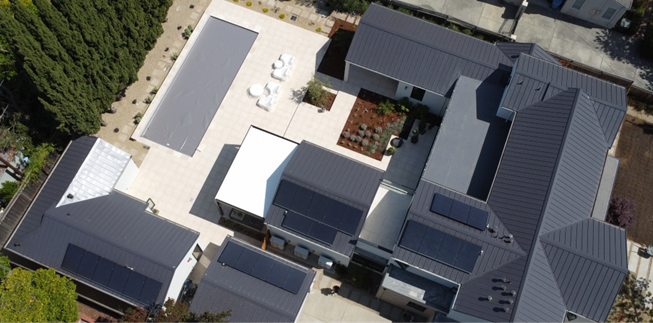
As a local Bay Area solar installation company, Infinium Solar, Roofing, and Electric understands how roofing, electrical, and solar design all work together. This helps us look at the full picture instead of treating solar as a one-size-fits-all project.
Why an Accurate Solar Quote Requires a Custom Review
A quick estimate can help start the conversation. But an accurate quote needs a closer look at your home and energy use. At Infinium Solar, Roofing, and Electric, we review your utility interval data, roof layout, electrical setup, and goals.
Then we recommend a system that fits your needs. This allows us to design a solar solution that is built around how your home actually uses energy. The goal is not just to install panels. The goal is to install the right system for your home.
The Right Solar System Starts With the Right Information
Rather than relying on generic pricing, the best way to understand your solar options is to review your actual utility usage and design a system around your needs. By using interval data from your utility company, Infinium Solar, Roofing, and Electric can see how your home uses energy during the day and at night, hour by hour.
That detailed information helps us build a system that truly fits your home, your lifestyle, and your long-term energy goals.
If you are considering a Bay Area solar installation, the first step is a custom review of your energy usage and home. From there, our team can help you understand your options and design a system that makes sense for you.
So, how much does it cost to install solar panels?
For many Bay Area homeowners, the average residential solar project may fall around $15,000 to $25,000, but the true cost depends on your home, your energy usage, and your goals.
Rather than relying on generic pricing, the best way to understand your solar options is to review your actual utility usage and design a system around your needs. By using interval data from your utility company, Infinium Solar, Roofing, and Electric can see how your home uses energy during the day and at night, hour by hour.
That detailed information helps us build a system that truly fits your home, your lifestyle, and your long-term energy goals.
If you are considering a Bay Area solar installation, the first step is a custom review of your energy usage and home. Contact Infinium Solar, Roofing, and Electric today to schedule a free in-person consultation and get an accurate quote for your solar project.
Frequently Asked Questions
There is no one-size-fits-all price. Every home is different, and a solar system should be tailored to how that household actually uses electricity. The true cost depends on your home, your energy usage, and your long-term goals. A quick estimate can start the conversation, but an accurate quote requires a closer look at your utility usage, roof layout, and electrical setup.
The cost of installing solar panels depends on your home’s electricity use, how much roof space you have, the condition of your roof, where the panels will go, whether your electrical panel can handle the system, whether you want battery backup, and whether any roofing or electrical work is needed first. A household that uses most of its electricity during the day needs a different design than one that uses more energy in the evening, and a home with an electric vehicle, pool, or heat pump may need a system sized for future upgrades.
Interval data is detailed energy usage information from your utility company. Instead of showing only monthly totals, it breaks your usage down hour by hour. That reveals when your home uses the most electricity, how much you use during daylight hours versus at night, whether battery backup makes sense for your pattern, and whether your usage is likely to change. Two homes can have similar monthly bills but completely different hourly usage, which means they may need different system sizes, battery options, or design strategies.
It depends on when your home uses electricity. Solar panels produce power during the day, so if your home uses a lot of electricity during daylight hours, the system can be designed to offset that use directly. If your home uses more electricity in the evening or overnight, battery backup may be worth considering, because a battery stores excess solar energy produced during the day for use after the sun goes down.
Your roof plays a major role. Roof size, angle, shading, material, and age or condition all affect the design, and if your roof needs repair or replacement soon, it is usually better to address that before installing panels. Your electrical system matters too, since some homes need a main panel upgrade before a safe installation. Future plans should also be factored in, including an electric vehicle, battery backup, electric appliances, an ADU, or an addition to the home.